Building for Longevity: What Makes a Home “Built to Last”?
When you build a custom home, you’re not just choosing a style—you’re investing in decades of comfort, safety, and value. A home that’s “built to last” holds up to everyday life, Pennsylvania seasons, and changing needs without constant repairs or premature replacements. So what actually separates a long-lasting home from one that simply looks good on move-in day?
Springwood Custom Builders, a family-run company serving the York, PA area with custom homes and additions, approaches longevity as a complete system: thoughtful design, proven materials, skilled installation, and attention to the details you don’t always see.
1. A strong start: site prep and foundation
Longevity begins below grade. Proper site evaluation, drainage planning, and grading help keep water away from the foundation—one of the biggest threats to long-term performance. A well-built foundation, paired with correct waterproofing and drainage solutions, reduces the risk of settling, moisture intrusion, and basement issues over time.
2. Framing that’s straight, solid, and protected
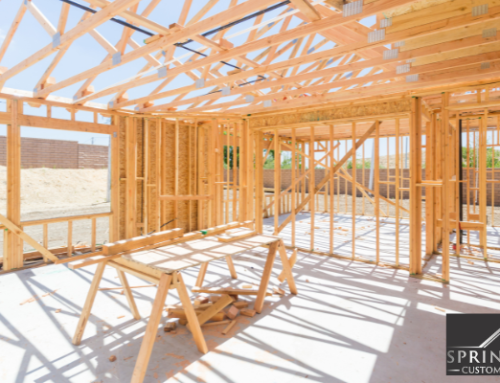
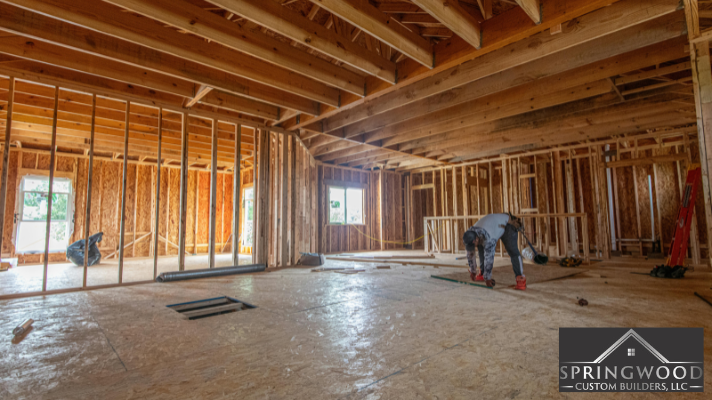
Quality framing is the “skeleton” of the home. Precise layout, proper fastening, and attention to load paths matter for everything from squeaky floors to drywall cracks. Just as important: protecting framing during construction and ensuring the home is properly dried-in so materials aren’t trapped with excess moisture.
3. A weather-tight building envelope
A built-to-last home controls water, air, and vapor. That means layered protection—roofing, flashing, house wrap, properly sealed penetrations, and well-installed windows and doors. Done right, you get fewer drafts, better indoor comfort, and less chance of hidden rot or mold.
4. Roofing and exterior materials chosen for your climate
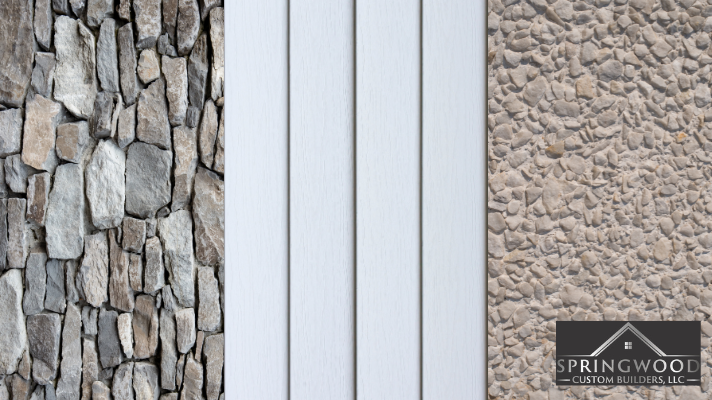
Your roof and siding take the brunt of sun, wind, rain, and snow. Durable roofing, quality underlayment, and correct flashing details protect the structure underneath. On the exterior, selecting materials known for longevity—and installing them per manufacturer specs—helps prevent warping, peeling, and premature failure.
5. Mechanical systems designed (not just installed)
HVAC, plumbing, and electrical systems should be sized and planned for the home—not treated as afterthoughts. Proper HVAC design improves comfort and reduces wear on equipment. Thoughtful electrical planning (including future capacity) makes upgrades easier later, while quality plumbing materials and clean installation reduce leak risk.
6. Energy efficiency that supports durability
Efficiency isn’t only about utility bills. Better insulation, air sealing, and ventilation can reduce moisture problems and temperature swings that stress materials. A home that manages humidity well is often a home that lasts longer.
7. Craftsmanship in the details
The small things are often the big things: straight tile lines, tight trim joints, properly installed cabinetry, and careful paint prep. These details signal a builder who takes pride in the work—and pride tends to show up everywhere, including behind the walls.
8. A plan for maintenance and future upgrades
Even the best homes need upkeep. Building for longevity includes smart access points (like shutoffs and service panels), clear documentation, and materials that are repairable. Planning ahead—such as rough-ins for future spaces—can also prevent costly, invasive remodels.
A home that’s built to last is the result of hundreds of right decisions, made consistently. If you’re considering a custom home or addition, Springwood Custom Builders’ personalized service and attention to detail can help you create a home designed for long-term performance—so it feels as solid in year 20 as it does on day one.