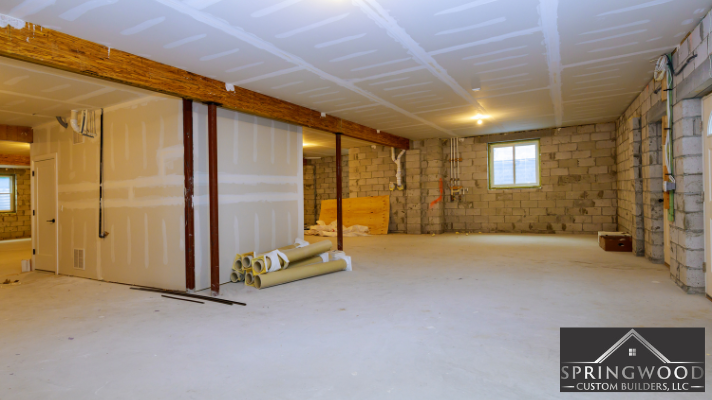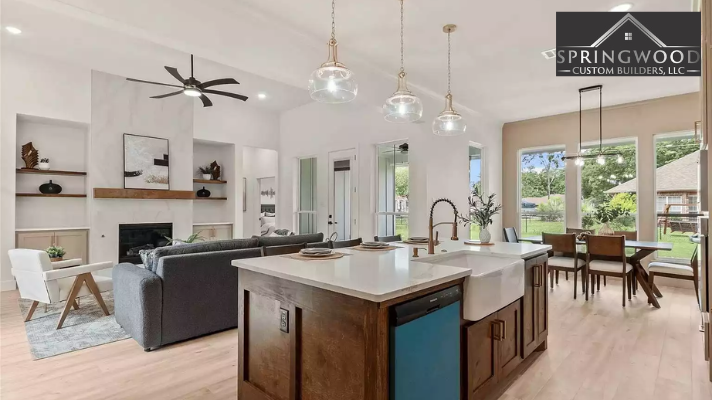
When you tour a new home, it’s easy to focus on what you can see: countertops, flooring, paint colors, and fixtures. But the real difference between a home that simply looks good and a home that’s truly “built to last” is often hidden behind drywall, under siding, and beneath the slab.
Springwood Custom Builders, a family-run custom home and additions builder serving the York, PA area, understands that long-term performance comes from doing the unglamorous things right—every time. Here are the construction details homeowners don’t always notice, but absolutely should care about.
1. Site grading and drainage (water is the enemy)
Most expensive home problems start with water. Proper grading directs water away from the foundation, while well-planned drainage reduces hydrostatic pressure and moisture intrusion. Downspout placement, swales, and surface drainage plans may not be “design features,” but they protect everything else.
2. Foundation waterproofing and capillary breaks
A durable foundation isn’t only about concrete strength. Waterproofing membranes, drainage boards, and properly installed footing drains help keep basements dry. Capillary breaks (materials that stop moisture wicking) can reduce dampness and protect framing and finishes over time—especially important in PA’s wet seasons.
3. Framing accuracy and structural load paths
Straight, square framing affects far more than aesthetics. It influences:
- Floor squeaks and bounce
- Drywall cracking
- Door and window operation
- Cabinet and trim fit
Equally important is the “load path”—how weight transfers from roof to foundation. Correct fastening, connectors, and framing details help the home stay solid through wind, snow loads, and decades of settling.
4. The building envelope: water, air, and vapor control
A home’s envelope is the system that keeps outside conditions outside. It includes house wrap, flashing, sealants, insulation, and ventilation. Done right, it improves comfort and reduces the risk of hidden rot and mold.
Key envelope details include:
- Properly lapped house wrap and taped seams
- Sealed penetrations (pipes, vents, electrical)
- Thoughtful transitions at roof-to-wall intersections
5. Flashing details around windows, doors, and roofs
Flashing is one of the most critical “invisible” components. It’s what directs water out and away when wind-driven rain gets behind siding.
Homeowners should ask about:
- Window pan flashing and proper shingling of layers
- Door threshold detailing
- Kick-out flashing where rooflines meet walls
A beautiful exterior can still fail if flashing is skipped or installed incorrectly.
6. Attic ventilation and insulation alignment
Attics are where heat and moisture problems show up first. A durable home needs insulation installed correctly and ventilation that keeps the roof deck dry.
Details that matter:
- Continuous soffit-to-ridge airflow (when designed that way)
- Baffles to prevent insulation from blocking soffit vents
- Air sealing at top plates and penetrations to reduce heat loss and moisture migration
7. Mechanical rough-ins and serviceability
Plumbing and HVAC work isn’t just about function on move-in day—it’s about access and longevity. Clean routing, proper supports, and thoughtful placement of shutoffs, cleanouts, and service panels can prevent headaches later.
8. Subfloor prep and floor system stiffness
A quiet, solid floor depends on adhesive use, fastening patterns, and correct subfloor thickness. These choices reduce squeaks and movement that can affect tile, trim, and finishes over time.
9. Moisture-resistant materials in the right places
Bathrooms, laundry rooms, and basements benefit from moisture-smart choices: cement board or approved backers, proper waterproofing at showers, and materials that handle humidity without swelling or delaminating.
10. Quality control and consistent craftsmanship
Finally, durability comes from a builder’s process: checking details, coordinating trades, and not rushing critical steps. Personalized customer service and attention to detail—hallmarks of Springwood Custom Builders—help ensure the parts you don’t see are built with the same care as the parts you do.
If you’re planning a custom home or addition, don’t hesitate to ask about the “hidden” details. They’re what make a home comfortable, resilient, and truly built to last.